
When I first started my digital marketing class, I thought SEO worked only ON the website. I focused on page titles, meta descriptions, headers, and keywords, thinking that was all I needed to do. I realized as I progressed through my class that SEO also happens off-site. Offsite SEO is everything that influences your search visibility from the outside, and it heavily determines how search engines judge your content.
Most people understand the basics of writing content and adding keywords, but they underestimate how much Google relies on credibility signals beyond a webpage. Offsite SEO is all about those signals. It includes backlinks, brand mentions, local listings, social engagement, and anything else that tells search engines your site is valuable. Once I started paying attention to it, I noticed how many brands grow their traffic simply by building relationships rather than adjusting HTML.
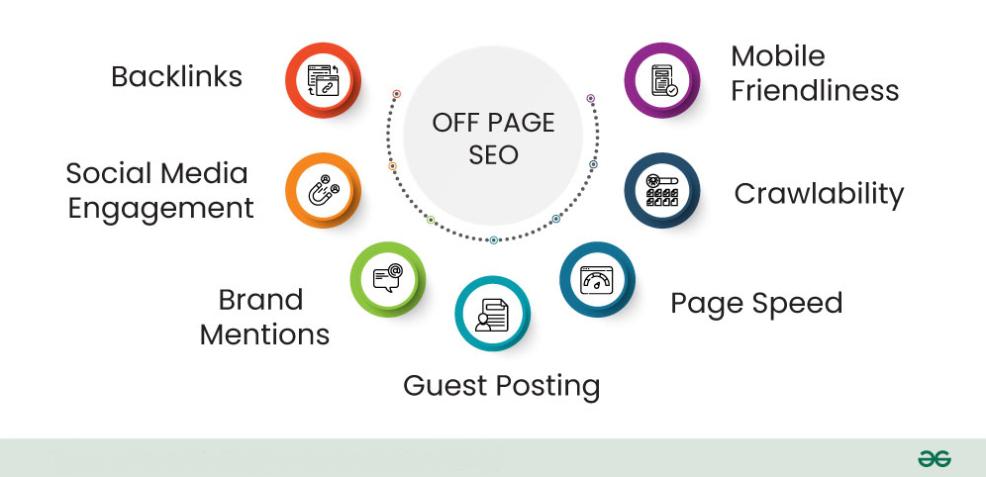
Backlinks: The Core of Offsite SEO
Backlinks seem to be the most used part of off-site SEO. This is because when a reputable site links to yours,it basically works like a vote of confidence for your website. Search engines read that link as a sign that your content matters or is more credible. In other words, not all links are created equal. A link from a respected university or news outlet will always carry more weight than a random link from a blog.
At the same time, backlinks should feel natural. Guest posts, interviews, expert quotes, and partnerships tend to attract the strongest links. On the other hand, brands that rely on spammy linking tactics usually get ignored. You should never forget that quality, relevance, and authenticity are the main factors for backlinks.
Brand Mentions and Social Trust
Backlinks get most of the attention, but brand mentions are becoming just as important. When your brand appears on social platforms, review sites, or industry discussions, search engines notice. Even without a link, consistent mentions help build authority because they show real people are talking about your business.
In my own “projects”, I have noticed that building social trust is more complicated than posting every day. It truly depends on whether people respond, reshare, tag your brand, or talk about it. But with this building of social trust, your website signals relevance and popularity. From a third-person angle, brands that spark conversation earn higher credibility and often see improved rankings over time.
Local SEO as Offsite SEO
Local SEO is another part of offsite SEO, even for brands that operate globally. Listings on Google Business Profile, Yelp, and other directories establish trust, especially when the information is updated and accurate. If your business hours, phone number, or address are inconsistent across sites, search engines may drop your ranking.
I will say one thing I learned is that reviews matter for both reputation AND ranking. Most companies can tell you that real customer reviews work wonders compared to fake bot reviews. They basically promote the brands authenticity to Google so you could potentially get ranked higher. Responding to reviews shows engagement, which also helps your local visibility.
Content Beyond Your Website
Offsite SEO is not just link building but content building. When a brand publishes high quality resources guest posts, interviews, webinars, or quotes across other platforms it spreads expertise across the web. This improves both brand visibility and search performance.
It also makes your brand more discoverable. Someone who reads your guest article or sees a quote from you in a news story may search for you later. Search engines read that activity as interest, which builds more authority around your name and site.
Why is off-site SEO so important now?
Offsite SEO is super important now because search engines have become smarter plus they seem to care about trust more than simple keywords. Offsite SEO works because it goes into the bigger picture. It exhibits the conversations, partnerships, and relationships surrounding a brand.
From my experience, when a brand invests in genuine engagement rather than shortcuts, it earns stronger, more sustainable rankings. Offsite SEO is a long term strategy, but it pays off with better visibility and credibility.
Offsite SEO reminds marketers that the internet is a network. Search engines reward the brands that contribute to that network, build connections, and show value beyond their own domain. When you combine strong onsite SEO with intentional offsite strategies, you give your website the best chance to rank and grow.
If you’d like to read more, click below!
Leave a Reply